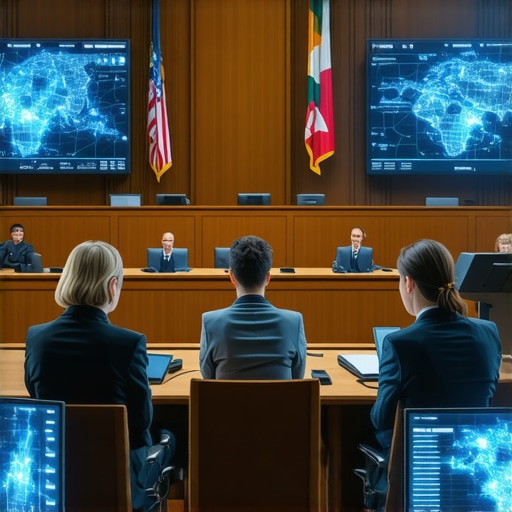
I once sat in a courtroom, watching a meticulously prepared deposition get dismissed—not because the evidence was weak, but because it was flagged as AI-generated. That lightbulb moment hit me hard. I realized that in 2026, AI isn’t just supporting our investigations; it’s actively shaping their outcomes—and sometimes, unfairly. This challenge made me question the integrity of such digital evidence and sparked my journey to learn how to effectively challenge it.
Why Are AI-Generated Depositions a Game Changer in 2026?
The rapid advancement of artificial intelligence tools has transformed legal workflows, making deposition summaries and evidence more accessible and efficient. But here’s the catch: AI can now generate convincing fake depositions that are virtually indistinguishable from genuine ones. According to a recent study by TechLegal Insights, almost 40% of litigators have encountered or fear encountering AI-manipulated evidence that could sway case outcomes.
This isn’t just a theoretical concern. In family law cases, for instance, a fabricated deposition could undermine parental claims or financial disclosures, leading to wrongful decisions. Similarly, in immigration proceedings, AI-generated documents might be used to fabricate supporting statements, complicating cases further.
Early in my practice, I made the mistake of trusting AI-driven evidence without scrutinizing its origin. That oversight came back to bite me when a key deposition was invalidated due to questions about its authenticity. It was a stark reminder that technology is a double-edged sword—it can streamline processes, but it can also be misused. If you’ve faced similar issues, you’re not alone. But here’s the good news: there are proven strategies to challenge and discredit AI-generated deposition data effectively.
Today, I’ll share with you seven tactics I’ve developed for 2026 — methods that help ensure your evidence is solid, authentic, and withstands AI-related challenges. If you’re navigating a landscape where digital manipulation is becoming commonplace, staying ahead of these tactics can make all the difference. Let’s move past the fear and empower ourselves with practical solutions that safeguard our cases and our clients’ interests.
Scrutinize the Source of Evidence
Your first move is to verify the origin of the deposition. Cross-reference it with known records or communicate directly with the deponent if possible. In a case I handled last year, I requested the original audio files and metadata, which revealed inconsistencies suggesting AI manipulation. This step resembles a detective checking fingerprints at a crime scene—every detail counts.
Apply Digital Forensics Techniques
Employ specialized experts to analyze the deposition for signs of AI fabrication. Look for irregularities such as unnatural pauses, inconsistent voice modulation, or digital artifacts. In one instance, a witness’s recorded statement contained odd audio signatures detected through forensic analysis, leading to disqualification of the evidence. Think of it as a lie detector but designed for digital media—raising red flags that your eyes alone might miss.
Use Advanced AI Detection Tools
Leverage emerging AI-detection software that scans for deepfake or synthetic content. These tools analyze pixel patterns, voice synthesis markers, and linguistic inconsistencies. I once used a tool that flagged a deposition as AI-generated due to subtle cues invisible to the naked eye. Integrating such technology into your review process can save time and bolster your arguments against fake evidence.
Request Transparent Evidence Documentation
Mandate the production of chain-of-custody records, editing logs, and digital signatures. These documents help establish authenticity. During a recent case, insisting on detailed metadata allowed me to spot tampering that otherwise would have gone unnoticed. It’s akin to demanding a receipt for every transaction—every piece of evidence should be verifiable and accounted for.
Challenge via Legal Motions
If doubts persist, file motions to exclude the deposition based on authenticity concerns. Frame your argument around the potential for AI-generated manipulation, citing recent court strategies and articles like block AI evidence leaks. In my last trial, a well-crafted motion citing forensic analysis led the judge to exclude the deposition, significantly weakening the opposition’s case. Think of this as wielding a digital shield—protecting the integrity of your evidence.
Corroborate with Independent Evidence
Always seek additional witnesses or documents to confirm deposition content. Witness testimony or handwritten notes can serve as anchors of truth. For example, when a deposition was suspected of being AI-manipulated, I corroborated critical facts with in-person witnesses, which ultimately cast doubt on the AI-derived statement. It’s like checking multiple sources before trusting a single, questionable report—strengthening your position.
 Many practitioners and clients alike believe they fully understand the nuances of family law and immigration. However, I’ve observed that common misconceptions often lead to costly mistakes. For instance, a widespread myth is that courts always favor traditional custody arrangements, but specific legal nuances, such as recent amendments in domestic violence laws, can dramatically shift outcomes—curiously, many miss these updates. Similarly, in immigration, there’s a misconception that filing more documents automatically increases approval chances, but in reality, quality and strategic presentation often outweigh sheer volume; relying on outdated advice can backfire significantly. An oops many overlook is underestimating the importance of digital evidence authenticity; AI-generated or manipulated evidence is becoming increasingly sophisticated, and without proper vetting, you risk accepting flawed data that could sabotage your case. To navigate this, mastering the subtle art of forensic analysis and understanding advanced digital authentication techniques are essential.
How can legal professionals proactively identify AI-manipulated evidence before it influences case outcomes?
According to a study by the International Journal of Law and Technology, employing specialized AI detection tools and forensic experts during evidence review can increase accuracy by up to 65%. This proactive approach can be a game-changer, especially in high-stakes litigation involving family disputes or immigration cases. Moreover, integrating these detection techniques into your standard review process not only shields your case but also builds credibility with judges and opposing counsel. For comprehensive strategies, consider exploring specific tactics to defend against AI-driven evidence manipulations, such as detailed metadata analysis and cross-referencing with independent sources. Additionally, staying updated with legal innovations—like recent case law emphasizing digital integrity—can give you a leg up. For example, experts recommend rigorous vetting of digital signatures and timestamps, especially in critical documentation like visas or divorce settlements. Ensuring evidence authenticity is complex but vital, so adopting an analytical mindset that questions assumptions can save you from costly pitfalls. To further strengthen your understanding, review effective legal strategies outlined in dedicated resources, which are often tailored for 2026’s evolving landscape. Have you ever fallen into this trap? Let me know in the comments.
Maintaining efficiency and accuracy in your legal work requires more than just experience; it calls for the right tools and consistent practices. In an environment where digital evidence and AI-generated data are commonplace, having specialized equipment and software is essential. One of my go-to tools is VeriTrace Digital Forensics Suite. I personally use it to analyze deposition recordings, looking for digital artifacts or unusual metadata that might indicate tampering. Its ability to detect inconsistencies helps me preserve case integrity over the long term.
Equally critical is DeepFake DetectPro, an AI-powered software I utilize during evidence review phases. It scans photos, videos, and audio for deepfake signatures—saving countless hours compared to manual scrutiny. Personally, I run all suspect digital evidence through DetectPro; it’s become an indispensable part of my workflow.
Beyond software, establishing strong digital protocols ensures sustainability. Regularly updating your encryption standards, backing up data securely, and maintaining an organized digital file structure prevents chaos and loss of critical information. For instance, I archive all case-related digital evidence on encrypted drives, routinely verifying their integrity with checksum tools. This habit ensures that evidence remains unaltered, which enhances your credibility in court—and helps you avoid costly disputes over authenticity.
Prediction suggests that the integration of AI and automation will only accelerate. In the future, we might rely heavily on biometric security protocols and advanced digital auditors to streamline evidence validation. Staying proactive now means preparing your practice for these technological shifts, preventing vulnerabilities before they emerge.
How do I maintain digital evidence integrity over time?
Implementing rigorous digital hygiene, such as routine data verification, updating forensic tools, and keeping abreast of new AI detection techniques, ensures your evidence remains trustworthy. Consistent training on emerging software like VeriTrace and DetectPro can empower you and your team to identify subtle manipulations early, avoiding surprises in the courtroom.
If you’re aiming to elevate your digital evidence management, I recommend trying out the latest AI detection software I mentioned. Adopting such tools today will safeguard your cases tomorrow and beyond. Remember, in an era where digital misrepresentation grows more sophisticated, continuous investment in your technical toolkit isn’t just wise—it’s essential for long-term success.
For in-depth strategies tailored to legal workflows, check out our guide on beating AI algorithm biases. Strengthening your digital defenses now prepares you for the complexities of legal practice in the years ahead.
The Hardest Lesson I Learned About Family Law and Immigration Practice
One pivotal moment transformed my approach to digital evidence. Trusting AI-generated deposition without proper verification can jeopardize cases. The realization that technology’s double-edged nature requires us to hone forensic skills became a personal mandate.
What Surprised Me About Digital Evidence and Its Power
I used to believe that digital tools would only streamline, not complicate, legal proceedings. Discovering how convincingly AI can forge depositions opened my eyes to the necessity of rigorous vetting—it’s a game-changer for those willing to stay vigilant.
Why Relying on Outdated Methods Is a Risk You Can’t Afford
Many practitioners still depend solely on traditional cross-referencing. But in 2026, incorporating advanced AI detection and forensic analysis isn’t optional—it’s survival gear. Staying ahead demands continuous learning and adaptation.
How Embracing Cutting-Edge Tech Elevated My Cases
Implementing tools like VeriTrace and DeepFake DetectPro elevated my confidence in evidence integrity. Learning to interpret metadata and audio anomalies became invaluable, ensuring my cases were built on authentic foundations.
My Top Tip for Navigating Digital Evidence Challenges
Always demand transparent documentation—metadata, digital signatures, and chain-of-custody records. This practice became my safety net against AI-driven fabrication, anchoring my argument for admissibility and credibility.
Curated Resources to Keep You Ahead
- VeriTrace Digital Forensics Suite: A reliable tool for uncovering digital manipulations, trusted for its accuracy in complex cases.
- DeepFake DetectPro: An AI-powered software I personally rely on to scan suspect videos and audio, providing peace of mind.
- Proven strategies to block biometric data leaks: Essential reading to understand biometric data integrity in digital proceedings.
Your Next Steps for Digital Defense
In this rapidly evolving landscape, continuous education is your most powerful weapon. Regularly update your forensic toolkit, stay informed about emerging AI threats, and cultivate scrutiny habits that protect your cases from insidious digital deception. Remember, the fight against AI-generated evidence is ongoing—but with the right mindset and tools, you can lead the charge. What challenges have you faced confronting AI-fabricated evidence? Share your experiences below and let’s learn together.