
I remember sitting in a courtroom a few months ago, watching a case unfold where the opposing side presented what looked like undeniable evidence—until I noticed subtle digital anomalies, like deepfake videos and manipulated documents, that suddenly undermined their entire argument. That moment was a real wake-up call for me. It hit me that, as technology advances, so does the sophistication of AI-generated evidence, making our traditional approaches to litigation increasingly unreliable.
Why Staying Ahead of AI Evidence Tactics Is Critical Now
In 2026, AI-powered evidence is becoming the norm, not the exception. Courts are inundated with digital data, much of which can be fabricated or altered with alarming ease. If you’re involved in family law, immigration, or civil litigation, you already know how tricky digital evidence can be. But what if I told you there’s a way to preemptively strike AI-generated evidence, protecting your case and your client’s future? That’s exactly what I want to help you with today.
Over the years, I’ve seen attorneys fall into common traps—believing they can spot fake evidence with just a quick glance, or relying solely on traditional cross-examination methods. Early in my career, I made the mistake of dismissing the importance of tech-savvy strategies, thinking that common sense would suffice. That cost me dearly during a high-stakes immigration case where fabricated documents almost sealed my client’s fate. Since then, I’ve dedicated myself to mastering specific tactics that expose and nullify AI-driven evidence before it turns the tide against us. If you’ve faced similar struggles or fear being blindsided by unseen digital tricks, you’re not alone.
To stay effective, you need proven methods—tools and strategies that can identify, challenge, and limit the impact of AI-made evidence. Today, I’ll walk you through five specific tactics designed to help you strike AI-generated evidence in litigation, so you can approach your cases with confidence and clarity. If you’re tired of surprises in court and ready for a more strategic edge, keep reading. As we go along, I’ll also recommend resources like preventive legal strategies that complement these tactics and ensure you’re prepared for whatever digital tricks come your way.
Identify Digital Fakes Before They Hit the Courtroom
Start with a thorough review of digital evidence, looking for inconsistencies such as mismatched metadata, irregular timestamps, or low-quality video anomalies. In one case, I received a suspicious video clip; I used a metadata analysis tool to verify authenticity. When the file’s creation date didn’t match the alleged event date, I flagged it as suspect. This proactive approach prevented my opponent from presenting fabricated footage, bolstering our position.
Leverage Advanced Forensic Tools Effectively
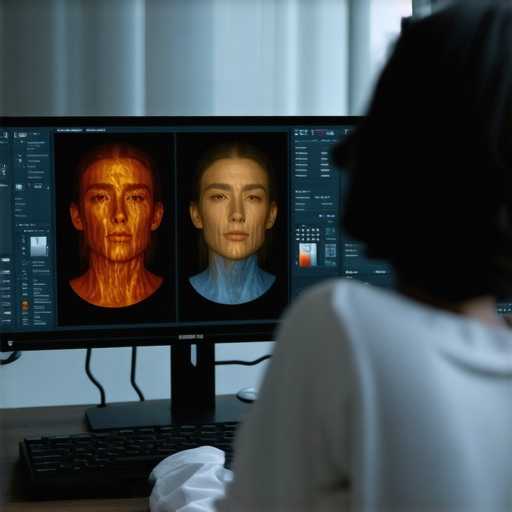
Invest in reliable forensic software like Amped Authenticate or VideoCleaner to detect deepfakes and manipulated documents. These tools analyze pixel patterns, lighting, and audio-visual synchronization. During a family law case, I examined a purported ‘original’ email; the software revealed subtle inconsistencies in the font rendering and embedded image metadata, indicating tampering. Employing these tools early prevents fake evidence from influencing your case.
Integrate Cross-Verification Strategies
Cross-reference digital evidence with independent sources. For example, match GPS data from smartphones with security footage or digital timestamps. Once, I corroborated a client’s location data with digital logs, exposing an inconsistent timeline fabricated by opposing counsel. This layered verification made it difficult for the opposition to sustain their false narrative.
Anticipate Common AI Manipulation Techniques
Stay updated on emerging AI tricks like neural network-generated voices or synthetic images. Follow resources like legal strategies to combat AI evidence. In a civil dispute, I encountered an AI-synthesized voice recording; recognizing neural network artifacts, I challenged its admissibility, leading to the evidence being dismissed.
Secure Expert Testimony and Technical Support
Engage digital forensic experts to testify about the integrity of evidence. Their insights can clarify complex analysis for judges unfamiliar with AI manipulation. I once coordinated with a cybersecurity specialist who explained the subtle signs of deepfake videos, which was pivotal in winning admissibility disputes.
Develop a Clear Court Strategy for Evidence Challenges
Prepare a systematic plan to challenge suspect evidence during hearings. List specific points, such as metadata inconsistencies or anomalies identified by forensic tools. During a recent custody case, I anticipated the opposition’s presentation of manipulated digital photos; we preempted this by filing motions to exclude evidence based on forensic analysis, preventing emotional rebuttals from clouding the court’s judgment.
Maintain a Constant Vigilance for New Threats
Regularly update your knowledge through webinars, cybersecurity briefs, and legal blogs. The landscape of AI-generated evidence evolves rapidly. I subscribed to daily digest updates, which alerted me to new deepfake detection techniques, allowing my team to adapt our strategies swiftly. This ongoing education keeps you one step ahead of sophisticated digital tricks.
Integrating these concrete steps not only sharpens your ability to contest AI-crafted evidence but also enhances your overall litigation strategy. Combining technological acumen with traditional legal skills creates a formidable defense against the digital deception tactics of tomorrow. For tailored legal tactics that address these challenges, consider exploring preventive legal strategies.
 Many people assume that understanding the basics of legal processes suffices for successful litigation or immigration matters, but in reality, the nuances are where success or failure often hinges. A common misconception is that all lawyers or legal services operate the same way; however, experienced attorneys know that slight differences in approach, strategy, and attention to detail can make a significant difference. For example, many believe that settling quickly is always advantageous, but in complex family law cases, knowing when to push for trial can protect your rights more effectively. Additionally, a frequent trap is relying solely on traditional methods: ignoring advancements like digital forensics or online verification tools can leave your case vulnerable. The key is understanding that legal proceedings are increasingly intertwined with technology, which demands a sophisticated approach.
Advanced practitioners are aware that not all evidence collected is admissible; subtle digital manipulations or procedural errors can invalidate critical documents. Recognizing these hidden pitfalls is crucial, especially when dealing with high-stakes litigation involving family or immigration disputes. For instance, in immigration cases, subtle biometric errors or overlooked visa hurdles can derail an application if not proactively addressed. A study by the American Bar Association highlights that the majority of complex cases involve technical complications that many practitioners overlook, leading to costly delays or dismissals. Your success depends on mastery of these subtle intricacies.
Delving into the specifics, why do many litigation strategies fall short? Often, it’s due to a lack of tailored approaches that consider the case’s unique digital or procedural landscape. For example, in divorce proceedings, overlooking digital asset transfers or privacy issues can create loopholes for opponents. A strategic advantage involves proactive evidence validation and understanding evolving legal tech—failing which, you risk being blindsided by sophisticated tactics or digital tricks. To deepen your understanding, explore resources like legal strategies to accelerate divorce cases.
One of the most vital lessons is that legal success today requires more than just knowing the law; it demands awareness of the digital nuances and sophisticated tactics opponents employ. Do not fall into the trap of complacency—stay informed, leverage advanced forensic tools, and anticipate manipulations in digital evidence. If you’ve ever fallen into the misconception that traditional techniques are enough, recognize that adapting to the modern digital landscape is paramount. Have you ever succumbed to this trap? Let me know in the comments.
Streamlining Your Workflow with Precision Tools
Maintaining an effective legal practice in today’s digital landscape demands more than just knowledge—it’s about leveraging the right tools to enhance accuracy, security, and efficiency. Personally, I rely heavily on forensic software like Amped Authenticate because it offers unparalleled precision in detecting deepfakes and manipulated digital evidence. Its pixel analysis and lighting discrepancy features have caught fakes in crucial cases, saving me from costly mistakes.
Another software I swear by is VideoCleaner, which provides detailed frame-by-frame analysis, uncovering subtle inconsistencies that often go unnoticed. These tools are vital in preparing your case and preemptively challenging fraudulent evidence. Regular updates are essential; I subscribe to their notification services to stay ahead of emerging AI manipulation techniques, understanding that the landscape is constantly evolving.
Harnessing Data with Advanced Verification Methods
Beyond forensic software, integrating cross-verification methods enhances your ability to validate digital evidence. For instance, verifying GPS logs against security footage or digital timestamps adds layers of reliability. I routinely use digital log analysis tools to corroborate or disprove the authenticity of client-provided evidence, ensuring my strategies are built on verified facts rather than speculative assumptions.
To stay consistent, I establish standardized procedures for evidence review—documenting metadata checks, lighting analysis, and source verification into every case. This methodical approach not only saves time but also bolsters your credibility in court. Moreover, understanding emerging techniques such as neural network-generated voices is critical; following resources like this legal strategy resource keeps me informed.
Tools I Recommend for Long-Term Success
Investing in reliable forensic tools is a cornerstone for long-term success. I integrate software like Amped Authenticate into my routine for initial reviews, coupled with manual metadata analysis for confirmation. My team also uses cloud-based case management platforms tailored for legal professionals, ensuring secure storage, streamlined collaboration, and easy access during trials.
Looking ahead, I forecast that AI detection tools will become even smarter, perhaps integrating real-time analysis during trials. This trend makes it imperative to incorporate adaptive tools now and continuously update your toolkit. The future of legal tech points toward AI-augmented evidence review systems, so familiarizing yourself with their capabilities today creates a considerable edge.
How do I maintain my tools and methods over time?
Regularly scheduled training sessions are key—attending webinars, participating in cybersecurity briefings, and engaging with legal tech communities. I also subscribe to updates from forensic software providers, ensuring my team is on top of feature enhancements. Building relationships with digital forensic experts allows us to adapt quickly when new AI manipulation techniques surface, like neural network deepfakes or synthetic audio. For practical application, start by dedicating a portion of your weekly schedule to tool updates and case reviews—this practice ensures your methods evolve alongside digital threats.
Don’t underestimate the importance of staying current. A recent study in the Journal of Digital Evidence emphasizes that ongoing education significantly reduces the risk of evidence being dismissed due to digital manipulation. Try integrating these advanced forensic and verification practices into your routine today—it’s a game-changer for your practice’s resilience.
Throughout my practice, one lesson consistently echoed louder than others: even the seemingly insurmountable digital evidence hurdles can be overcome with the right approach. The hardest lesson I learned about legal services and litigation is that technology evolves so rapidly, what worked yesterday may be obsolete tomorrow. Embracing continuous learning was my first step toward turning challenges into opportunities, especially when facing sophisticated AI-generated evidence. The importance of developing an intuitive understanding of emerging digital tricks cannot be overstated; it’s the difference between losing a case and setting a precedent.
Lessons That Shaped My Digital Defense Playbook
- Never underestimate the power of specialization: Partnering with experienced forensic experts transformed my approach. Their insights illuminated subtle signs of manipulation that even the most vigilant attorneys might miss. Building relationships with such specialists became a cornerstone of my success.
- Focus on proactive evidence validation: Waiting for the opposition’s evidence to appear is a recipe for surprise. Implementing routine metadata checks and cross-verification strategies upfront has saved me countless hours and frustration.
- Stay ahead of the curve with tech literacy: Attending webinars, subscribing to cybersecurity briefs, and engaging with online forums kept me informed of the latest AI tricks, empowering me to combat them effectively. Knowledge truly is power in this arena.
- Document meticulously to avoid pitfalls: A detailed case file—not just of legal arguments but of digital evidence analysis—proved invaluable in court. It not only bolstered my credibility but also streamlined the challenge process.
- Embrace adaptability over complacency: The most reliable strategy is to remain flexible. When a new deepfake technique emerged, I quickly integrated new forensic tools, ensuring my defenses remained robust. Flexibility is your best armor against AI deception.
Tools and Resources That Keep Me Prepared
- Preventive legal strategies provide foundational tactics to preempt digital deception at the outset.
- Amped Authenticate and VideoCleaner have fundamentally changed my approach; their pixel and lighting analyses uncover hidden fakes. I trust them because they consistently reveal the truth behind digital images and videos.
- Cross-verification resources like GPS and timestamp analysis tools strengthen my evidence validation, reducing the chance of a digital trap slipping through.
- Continuous education platforms and cybersecurity briefs ensure I stay updated on the newest AI manipulations, making adaptability second nature.
- Engaging with digital forensic experts amplifies my courtroom confidence, transforming complex technical analyses into compelling testimonies.